
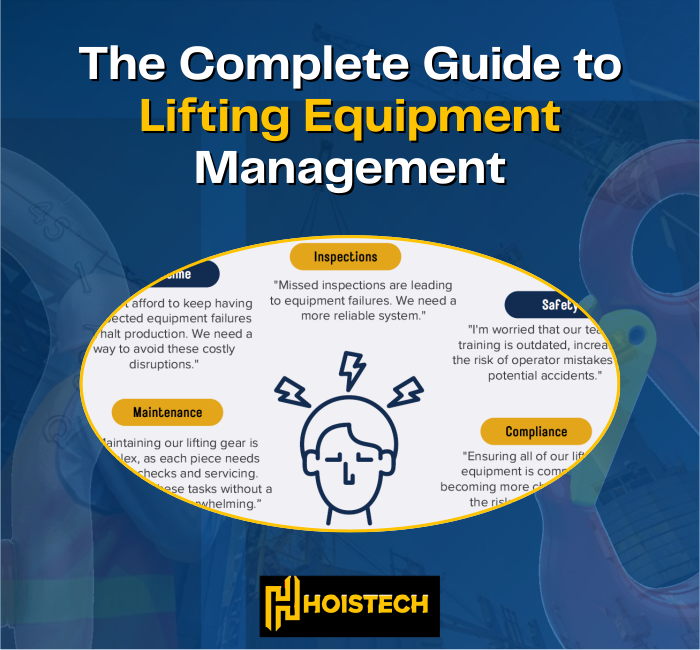
The Complete Guide to Lifting Equipment Management
Reduce Risk. Control Costs. Eliminate Downtime.
Lifting equipment management is not just about passing inspections.
It’s about control.
Control of safety.
Control of compliance.
Control of operational performance.
Control of cost.
In high-risk industries, lifting equipment failures are rarely caused by a single defect. They’re usually the result of poor management across the asset lifecycle.
Missed inspections.
Outdated training.
Reactive maintenance.
Incomplete documentation.
Unplanned breakdowns.
When lifting equipment management is fragmented, risk increases — and so do costs.
This guide explains what professional lifting equipment management really looks like and how to build a system that protects both your people and your business.
Why Lifting Equipment Management Matters
Lifting operations remain one of the most safety-critical activities in industrial environments.
Poor management can lead to:
Serious injury or fatality
Equipment failure
Production stoppages
Enforcement notices
Prosecution and fines
Reputational damage
Research consistently shows that a significant proportion of workplace incidents are linked to inadequate training. At the same time, poorly maintained equipment increases operational costs and the likelihood of unplanned downtime — which can run into hundreds of thousands in lost productivity.
Effective lifting equipment management reduces these risks.
Compliance is the legal requirement.
Structured management is the professional standard.
What Is Lifting Equipment Management?
Lifting equipment management is the structured oversight of lifting assets from initial specification through to retirement.
It includes:
- Engineering-led equipment selection
- Asset tracking and identification
- Inspection and thorough examination
- Preventative maintenance planning
- Documentation control
- Training management
- Breakdown response
- Replacement forecasting
It is not a single service. It is a connected system.
The Six Pillars of Effective Lifting Equipment Management
1. Correct Specification from Day One
Many lifting issues begin before equipment is even put into service.
Incorrect Working Load Limits.
Unsuitable materials for harsh environments.
Underestimated usage frequency.
Improper component matching.
Professional lifting equipment management starts with technical specification — not procurement decisions based purely on cost. Selecting the right equipment reduces failure rates and extends asset life.
2. Asset Visibility and Traceability
You cannot manage what you cannot see.
Every lifting asset should have:
- Unique identification
- Clear WLL marking
- Linked certification
- Inspection history
- Defined examination intervals
A structured lifting register ensures inspection dates are never missed and documentation is never misplaced.
Without an asset management system, lifting equipment management quickly becomes reactive.
3. Inspection and Compliance Control
Under LOLER, lifting equipment must undergo thorough examination at defined intervals.
But compliance alone is not enough.
Effective lifting equipment management includes:
- Detailed defect identification
- Early detection of wear and elongation
- Assessment of hooks, chains, slings and fittings
- Risk grading of findings
- Immediate removal of unsafe assets
Inspections should prevent failure — not simply confirm compliance.
4. Preventative Maintenance Over Reactive Repairs
Reactive maintenance is one of the biggest cost drivers in lifting operations.
Unplanned downtime can be extremely expensive, especially when critical production lines are affected.
Preventative maintenance reduces:
- Unexpected breakdowns
- Emergency call-out costs
- Operational disruption
- Premature asset replacement
A structured preventative maintenance schedule extends equipment life and protects operational performance. When lifting equipment management is proactive, downtime becomes predictable — not disruptive.
5. Documentation and Audit Readiness
One of the most overlooked aspects of lifting equipment management is documentation control.
In the event of an audit or investigation, you must be able to demonstrate:
- Thorough examination reports
- Maintenance logs
- Defect corrective actions
- Training records
- Certification traceability
Disorganised documentation can expose businesses to compliance risk — even if the equipment itself is safe.
A professional lifting equipment management system ensures you are always audit-ready.
6. Training and Competency
Even perfectly maintained lifting equipment becomes dangerous in the wrong hands.
Gaps in training remain a major contributor to workplace incidents.
Effective lifting equipment management includes:
- Up-to-date induction training
- Regular refresher sessions
- Clear operating procedures
- Train-the-trainer programmes
- Competency verification
- Safety performance is directly linked to workforce competence.
Training should evolve alongside your lifting equipment.
Take Control of Your Lifting Equipment Management
Poor lifting equipment management leads to rising costs, compliance risk, production delays and unplanned downtime — which in many operations can run into six figures.
The solution isn’t reactive repair. It’s structured control.
Well-managed lifting operations include:
- Engineering-led equipment selection
- A live asset register
- Planned inspections and preventative maintenance
- Clear documentation
- Assured workforce competency
Everything connected. Everything visible. Everything controlled.
At Hoistech, we support the full lifting lifecycle — from inspection and maintenance to asset management, consultancy and training. We don’t just inspect equipment; we help you manage it properly.
If you’re experiencing downtime, compliance pressure or rising maintenance costs:
Contact Hoistech today to strengthen your lifting equipment management strategy